Many people in the United States struggle to meet basic needs such as food, housing, and medical care. This is especially true for elderly people, individuals with disabilities, and children with serious health conditions. When someone cannot work or earn enough money because of age or disability, life can become very difficult. To help people in these situations, the U.S. government provides a program called SSI.
SSI is often confused with Social Security retirement or Social Security disability benefits. Many people think SSI is the same as Social Security, but this is not true. Others believe SSI is only for older people, or that it is a loan that must be paid back. These misunderstandings cause people to miss out on help they may qualify for.
What Does SSI Mean?
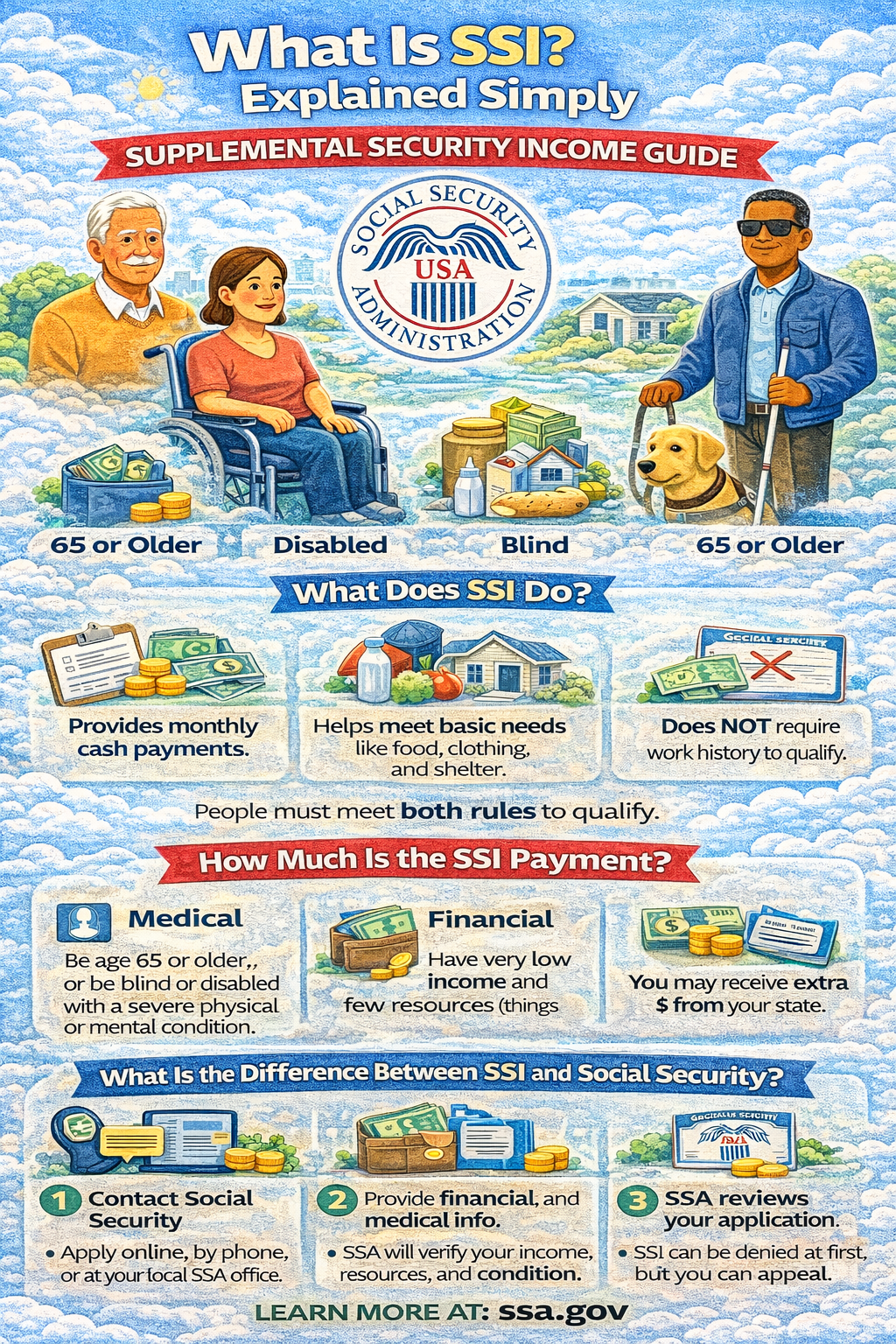
SSI stands for Supplemental Security Income. It is a federal assistance program that provides monthly cash payments to people who have very low income and limited resources. The purpose of SSI is to help people pay for basic needs such as food, clothing, and shelter.
SSI is not based on work history. This is one of the most important things to understand. A person does not need to have worked or paid Social Security taxes to qualify for SSI. Instead, SSI is based on financial need and certain eligibility rules related to age or disability.
Who Runs the SSI Program?
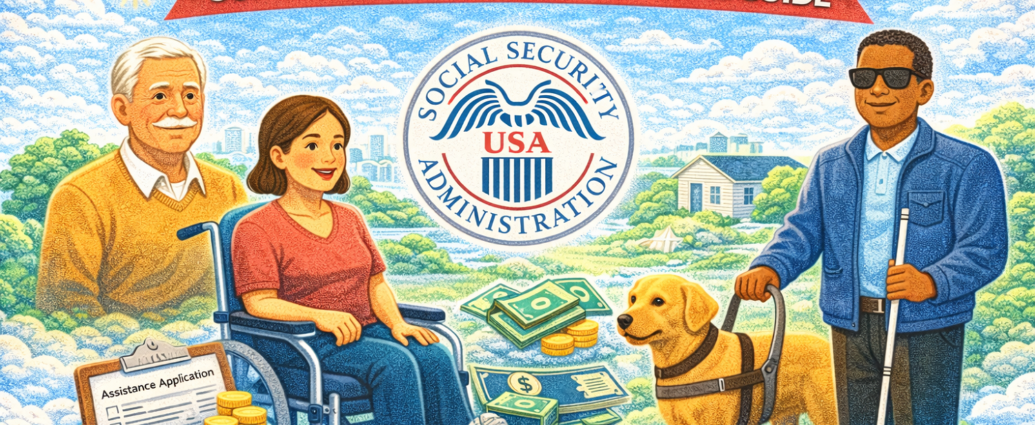
The SSI program is managed by the Social Security Administration. This government agency is responsible for running many benefit programs, including SSI and Social Security.
Even though SSI is run by the Social Security Administration, it is not funded by Social Security taxes. SSI is paid for using general tax revenue from the U.S. government. This is another reason SSI is different from Social Security retirement or disability benefits.
What Is SSI in Simple Words?
SSI is a monthly payment from the government for people who have little or no income and limited savings, and who are either elderly, blind, or disabled. The money is meant to help cover basic living expenses.
SSI is a safety net program. It does not make people rich, and it is not meant to replace a full income. It provides just enough help to allow people to meet essential needs and live with dignity.
Who Can Qualify for SSI?
To qualify for SSI, a person must meet both medical and financial requirements. This is very important because meeting only one requirement is not enough.
A person may qualify if they are age 65 or older, blind, or disabled. Disability for SSI means having a physical or mental condition that severely limits daily activities and is expected to last at least one year or result in death.
In addition to medical requirements, SSI has strict income and resource limits. Income includes wages, Social Security benefits, pensions, and other payments. Resources include cash, bank accounts, property, and other assets. If income or resources are too high, SSI benefits may be reduced or denied.
How Much Money Does SSI Pay?
SSI pays a monthly benefit, but the amount is limited and may change each year. The federal government sets a maximum SSI payment, but the actual amount a person receives depends on income, living situation, and other factors.
Some states add extra money to SSI payments. This is called a state supplement. Because of this, SSI payment amounts can be different depending on where a person lives.
What Is the Difference Between SSI and Social Security?
This is one of the most common questions. SSI and Social Security are not the same, even though they are managed by the same agency.
Social Security benefits are based on work history and taxes paid into the system. SSI is based on financial need and does not require work history.
A person can receive SSI even if they have never worked. Some people may receive both SSI and Social Security if their Social Security benefit is very low and they meet SSI limits.
What Can SSI Money Be Used For?
SSI money can be used for basic living needs. This includes food, rent, utilities, clothing, and personal care items. There are no strict rules about how every dollar must be spent, but the purpose is to support basic survival needs.
Because SSI is need-based, changes in living situation or income must be reported. For example, receiving free housing or additional income may affect SSI benefits.
How to Apply for SSI
People can apply for SSI by contacting the Social Security Administration. Applications can be started online, by phone, or in person at a Social Security office.
The application process involves providing personal information, financial details, and medical records. For disability cases, the process can take time because medical evidence must be reviewed.
Many applications are denied at first. This does not always mean the person is not eligible. Applicants have the right to appeal decisions.
Frequently Asked Questions (FAQs)
What Is SSI in Simple Terms?
SSI is a monthly government payment for people with low income who are elderly, blind, or disabled.
Is SSI the Same as Social Security?
No. SSI is based on financial need, while Social Security is based on work history.
Do You Have to Pay Back SSI?
No. SSI benefits do not need to be repaid.
Can Children Get SSI?
Yes. Children with qualifying disabilities may receive SSI if family income and resources are low enough.
Can You Work and Still Get SSI?
Yes, but income from work may reduce the SSI payment amount.
Is SSI Permanent?
SSI continues as long as the person remains eligible. The Social Security Administration reviews cases regularly.
What Is FEMA?: A Complete Guide to Disaster Help and Emergency Support
Reference Links
Supplemental Security Income (SSI) Official Overview: https://www.ssa.gov/ssi
Social Security Administration (SSA) Official Website: https://www.ssa.gov
SSI Eligibility Requirements: ttps://www.ssa.gov/ssi/eligibility
How to Apply for SSI: https://www.ssa.gov/ssi/how-to-apply
SSI Income and Resource Limits: https://www.ssa.gov/ssi/spotlights/spot-resources.htm
SSI for Children with Disabilities: https://www.ssa.gov/ssi/text-child-ussi.htm
Disclaimer
Program Clarity is an independent informational website and is not affiliated with any government agency. This article is for educational purposes only. Program rules and availability may change. Always verify details with official authorities.