

Housing is one of the most important aspects of life for older adults. As people age, their housing needs often change due to retirement, reduced income, health conditions, and mobility challenges. Many seniors live on fixed incomes such as pensions, retirement savings, or social security benefits, which may not always keep pace with rising housing costs. Rent increases, property taxes, home maintenance expenses, and healthcare costs can create financial pressure for older adults who want to remain safe and comfortable in their homes. Because of these challenges, governments, nonprofit organizations, and community groups have developed housing programs for seniors to ensure that older adults have access to safe, affordable, and supportive housing options.
Housing programs designed for seniors aim to address several important needs that older adults commonly experience. These programs often focus on reducing housing costs, improving accessibility, and providing supportive services that help seniors maintain independence while living in safe environments. In many cases, senior housing programs offer subsidized rent, rental assistance vouchers, home repair grants, and supportive living communities designed specifically for aging populations. These programs are particularly important for seniors with limited financial resources, disabilities, or medical needs that require accessible housing and supportive services.
Understanding Housing Programs for Seniors
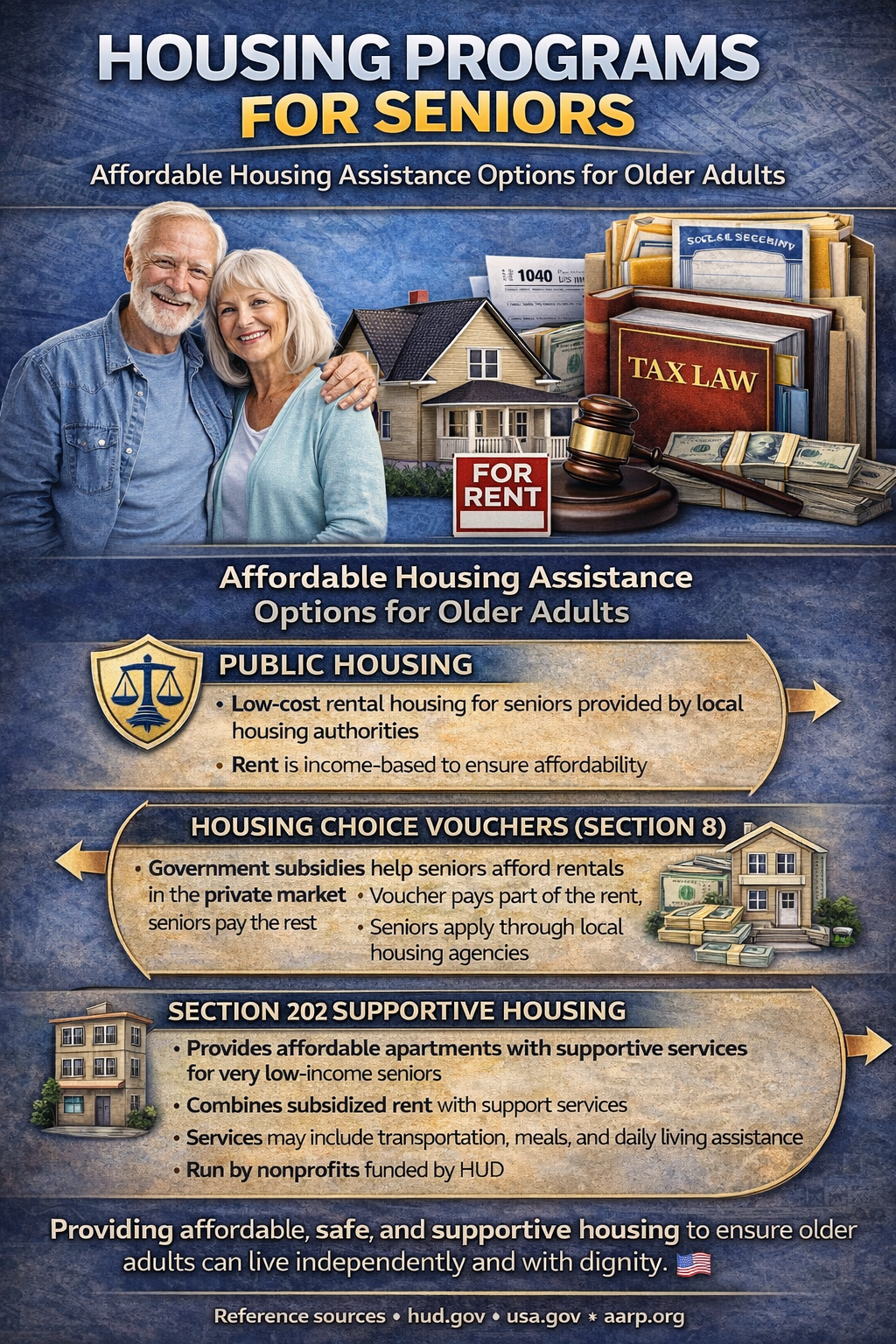
Housing programs for seniors are initiatives created by government agencies, nonprofit organizations, and private housing developers to provide affordable and supportive housing solutions for older adults. These programs are designed to address the financial and physical challenges that many seniors face when trying to secure stable housing. For example, older adults often experience reduced income after retirement, which can make it difficult to afford market-rate rent or maintain a home that requires ongoing repairs and maintenance. Housing programs for seniors help address these challenges by offering subsidies, rental assistance, and specialized housing communities that are tailored to the needs of aging populations.
Many senior housing programs are also designed with accessibility and safety in mind. As people age, physical limitations may make it difficult to navigate homes with stairs, narrow hallways, or inaccessible bathrooms. Housing programs often include properties that feature accessible entrances, elevators, wider doorways, grab bars in bathrooms, and other design features that make daily living easier for seniors with mobility challenges. These design improvements are essential for helping older adults maintain independence while reducing the risk of accidents or injuries within the home.
Why Affordable Housing Is Essential for Seniors
Affordable housing plays a critical role in protecting the financial stability and well-being of older adults. Many seniors live on fixed incomes that remain relatively stable over time, while housing costs continue to rise due to inflation, increased property values, and higher rental demand in many communities. When housing expenses consume a large portion of a senior’s income, it becomes more difficult to afford other essential needs such as healthcare, medications, groceries, and transportation. This financial pressure can create stress and uncertainty, particularly for seniors who have limited savings or unexpected medical expenses.
Without access to affordable housing programs, many older adults may struggle to remain in their homes or secure suitable living arrangements that meet their needs. Some seniors may face the difficult choice between paying for housing and paying for healthcare or other essential expenses. In extreme cases, the lack of affordable housing options can even lead to housing insecurity or homelessness among older adults. Housing assistance programs help address these issues by ensuring that seniors pay only a reasonable portion of their income toward housing costs, allowing them to maintain financial stability while meeting other basic needs.
Public Housing Programs for Seniors
Public housing programs are among the most widely available forms of housing assistance for seniors with limited income. These programs are typically managed by local housing authorities and funded by government agencies. Public housing properties include apartment buildings and housing communities that are offered at reduced rental rates based on the tenant’s income level. In many cases, residents pay approximately 30 percent of their monthly income toward rent, while the remaining cost is subsidized through government funding.
Public housing communities designed specifically for seniors often include features that make daily living easier and safer for older residents. For example, many senior public housing buildings include elevators, wheelchair-accessible entrances, and emergency call systems that allow residents to request help if needed. Some properties also provide on-site management staff and social service coordinators who help residents access healthcare services, transportation programs, and community resources.
Section 202 Supportive Housing for the Elderly
The Section 202 Supportive Housing for the Elderly Program is one of the most important housing assistance programs available to low-income seniors in the United States. This program provides funding to nonprofit organizations that develop and operate affordable housing communities designed specifically for seniors aged 62 and older. These communities offer safe and affordable rental housing combined with supportive services that help seniors remain independent for as long as possible.
Residents in Section 202 housing typically pay a portion of their income toward rent, while the remainder of the housing cost is covered by federal subsidies. This arrangement ensures that housing remains affordable for seniors who rely on limited retirement income. Many Section 202 communities also provide supportive services such as transportation assistance, meal delivery programs, housekeeping services, and health monitoring programs that help residents maintain their independence while receiving necessary support.
Housing Choice Voucher Program (Section 8)
The Housing Choice Voucher Program, commonly known as Section 8, is another major housing assistance program that benefits seniors. Unlike public housing programs where residents live in government-owned buildings, the Housing Choice Voucher Program allows eligible individuals to rent housing in the private market. Seniors who receive housing vouchers can choose apartments or houses that meet program requirements, allowing them to live in neighborhoods that are convenient for their lifestyle and personal needs.
Under this program, the government pays a portion of the rent directly to the landlord, while the tenant pays the remaining amount based on their income. This system allows seniors to access housing that might otherwise be unaffordable while maintaining flexibility in choosing where they live. The Housing Choice Voucher Program also allows seniors to remain close to family members, healthcare providers, and community resources that are important to their daily lives.
Aging in Place Programs
Many seniors prefer to remain in their own homes rather than move into a new housing community. Programs that support aging in place help older adults remain in familiar environments while receiving assistance that addresses safety and accessibility concerns. These programs often provide funding for home modifications, in-home support services, and community-based assistance that allows seniors to maintain independence while living at home.
Home modifications supported through aging-in-place programs may include installing wheelchair ramps, widening doorways, adding grab bars in bathrooms, improving lighting, and installing stair lifts. These improvements help reduce fall risks and make homes more accessible for seniors with mobility challenges. Some programs also provide home maintenance services that help seniors keep their homes in good condition without facing financial burdens.
Frequently Asked Questions (FAQs)
What are housing programs for seniors?
Housing programs for seniors are government or nonprofit initiatives designed to help older adults find safe, affordable, and accessible housing. These programs often provide rental assistance, subsidized housing, home repair grants, or supportive living communities for seniors with limited income. Many senior housing programs also offer additional services such as transportation, healthcare coordination, meal programs, and social activities that help older adults maintain independence and improve their quality of life. These programs are especially important for seniors living on fixed incomes who may struggle to afford rising housing costs.
Who qualifies for senior housing assistance programs?
Eligibility for senior housing assistance programs usually depends on several factors such as age, income level, and residency status. In many programs, applicants must be at least 62 years old to qualify for senior-specific housing. Income limits are also commonly used to determine eligibility because many programs are designed for low-income or very low-income seniors. Applicants may need to provide documentation such as proof of income, identification, and rental history when applying for housing assistance. Some programs may also prioritize seniors with disabilities or those who are experiencing housing instability.
What types of housing options are available for seniors?
Several types of housing options are available for seniors, depending on their needs and financial situation. These options include public housing for seniors, rental assistance programs such as housing vouchers, supportive housing communities designed specifically for older adults, and aging-in-place programs that help seniors remain in their own homes. Some seniors may choose independent living communities that provide social activities and community amenities, while others may prefer assisted living facilities that offer help with daily tasks such as meal preparation and medication management.
Can seniors receive financial help to modify their homes?
Yes, many housing assistance programs provide financial support for home modifications that help seniors remain safe and independent in their homes. These programs may offer grants or low-interest loans for improvements such as installing wheelchair ramps, adding grab bars in bathrooms, improving lighting, widening doorways, or installing stair lifts. Home modification programs are often part of aging-in-place initiatives that help seniors continue living in familiar environments while reducing safety risks and improving accessibility.
How can seniors apply for housing assistance programs?
Seniors who are interested in housing assistance programs can begin by contacting their local housing authority, government housing department, or nonprofit organizations that specialize in senior services. Many housing programs require applicants to complete an application form and submit documentation verifying income, age, and residency. Because demand for affordable senior housing is often high, applicants may be placed on waiting lists until housing units or assistance vouchers become available. Community agencies and social service organizations can also provide guidance and help seniors navigate the application process.
Reference Links
https://www.hud.gov/program_offices/housing/mfh/progdesc/eld202
https://www.hud.gov/topics/housing_choice_voucher_program_section_8
https://www.ncoa.org/article/housing-options-for-older-adults
https://www.usa.gov/housing-help-for-seniors
https://www.aarp.org/livable-communities/housing/
Disclaimer
Program Clarity is an independent informational website and is not affiliated with any government agency. This article is for educational purposes only. Program rules and availability may change. Always verify details with official housing authorities.